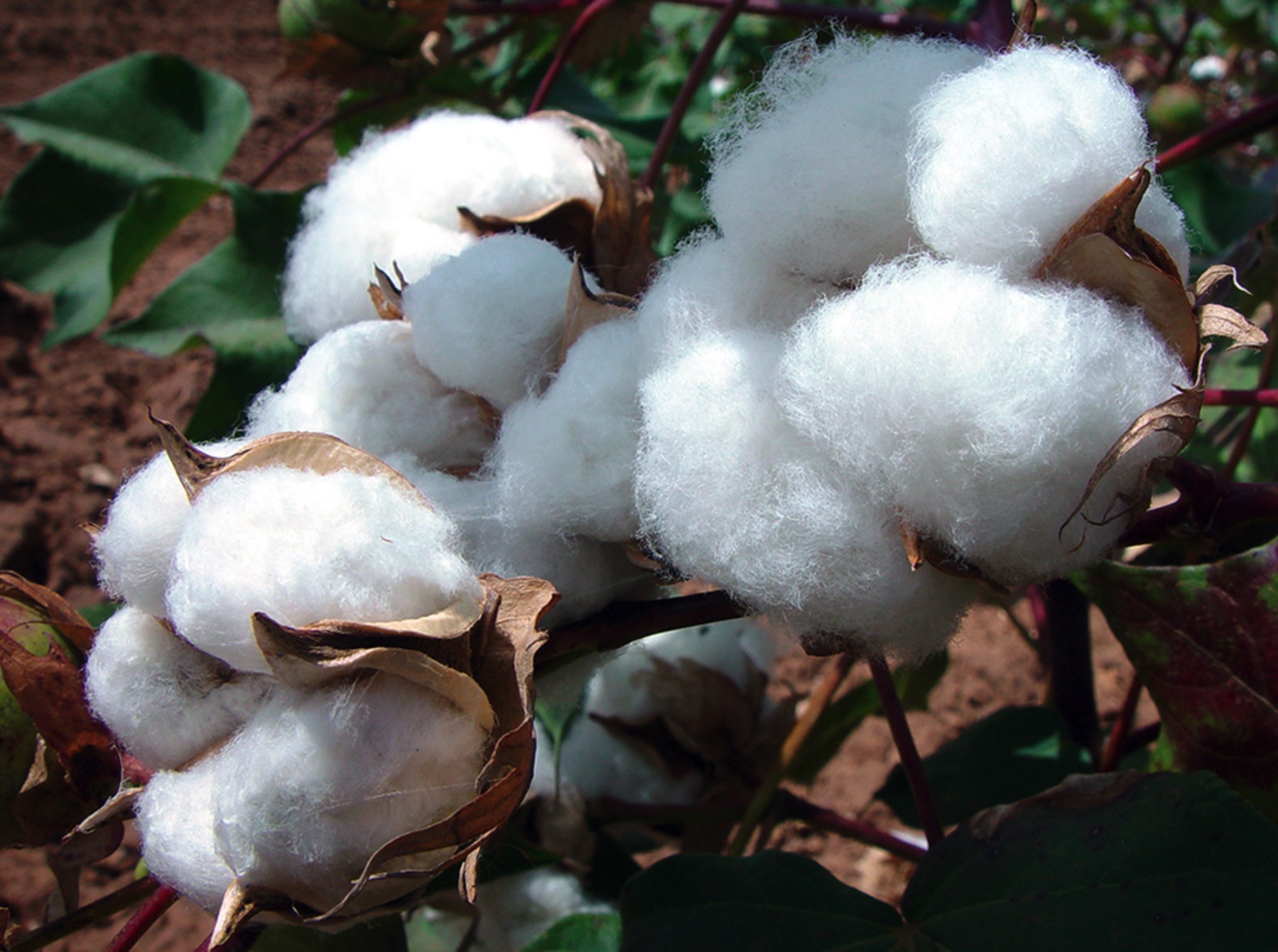
Structural variation and gene expression across upland cotton cultivars


Genetic mapping serves as an important tool for biologists to determine the genetic architecture of large-effect variants on traits of interest. However, the translation of these findings into practical applications for breeders has historically been fragmented. Bridging this gap involves the identification of assayable markers for marker-assisted selection and the pinpointing of candidate genes for modification. With the advent of multiple reference genomes, rich diversity data, and high-confidence gene annotations, all of the raw materials are available for identifying high-value molecular targets for breeding. However, a computational framework to make use of these data does not exist yet for cotton. To address this gap, we are developing an extensible and accessible framework to leverage our multiple high-quality reference genomes of the complex and polyploid cotton crop to effectively find targets for molecular breeding efforts.

This website provides a hub for access to the upland cotton pangenome resource, subject to the data usage policy.


Citing Upland Cottons Pangenome

Sreedasyam,A., Lovell, J.T., Jones, D.W., Schmutz, J., et al. Pan-genome integration of genetic diversity to accelerate molecular breeding in cotton. Unpublished.


Contacts

  • Avinash Sreedasyam (asreedasyam AT hudsonalpha DOT org)
  • John Lovell (jlovell AT hudsonalpha DOT org)
  • Don Jones (DJones AT cottoninc DOT com)
  • Jeremy Schmutz (jschmutz AT hudsonalpha DOT org)


The Upland Cottons Pangenome project conducted by the HudsonAlpha Institute for Biotechnology was supported by the USDA-NIFA-AFRI grant (1028379) and genome annotation was supported by the U.S. Department of Energy Joint Genome Institute (JGI), funded by the Office of Science of the U.S. Department of Energy (DOE).
HudsonAlpha Institute for Biotechnology, Genome Sequencing Center | 601 Genome Way NW, Building 601, Huntsville, AL 35806
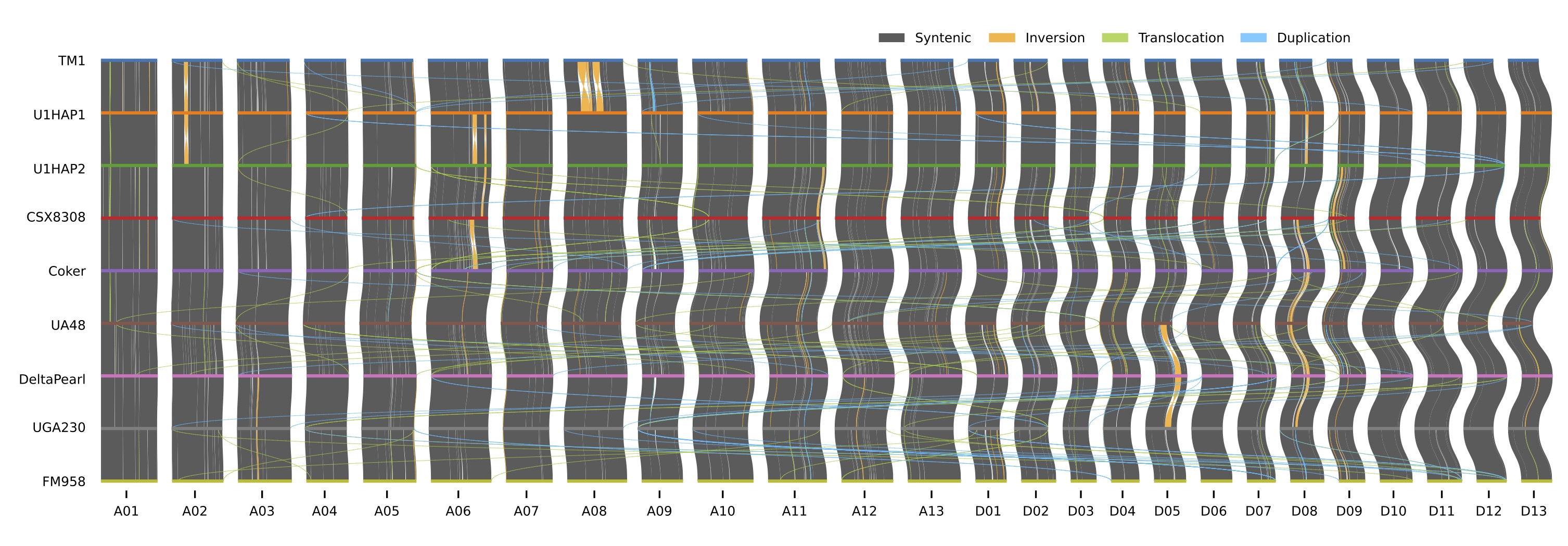
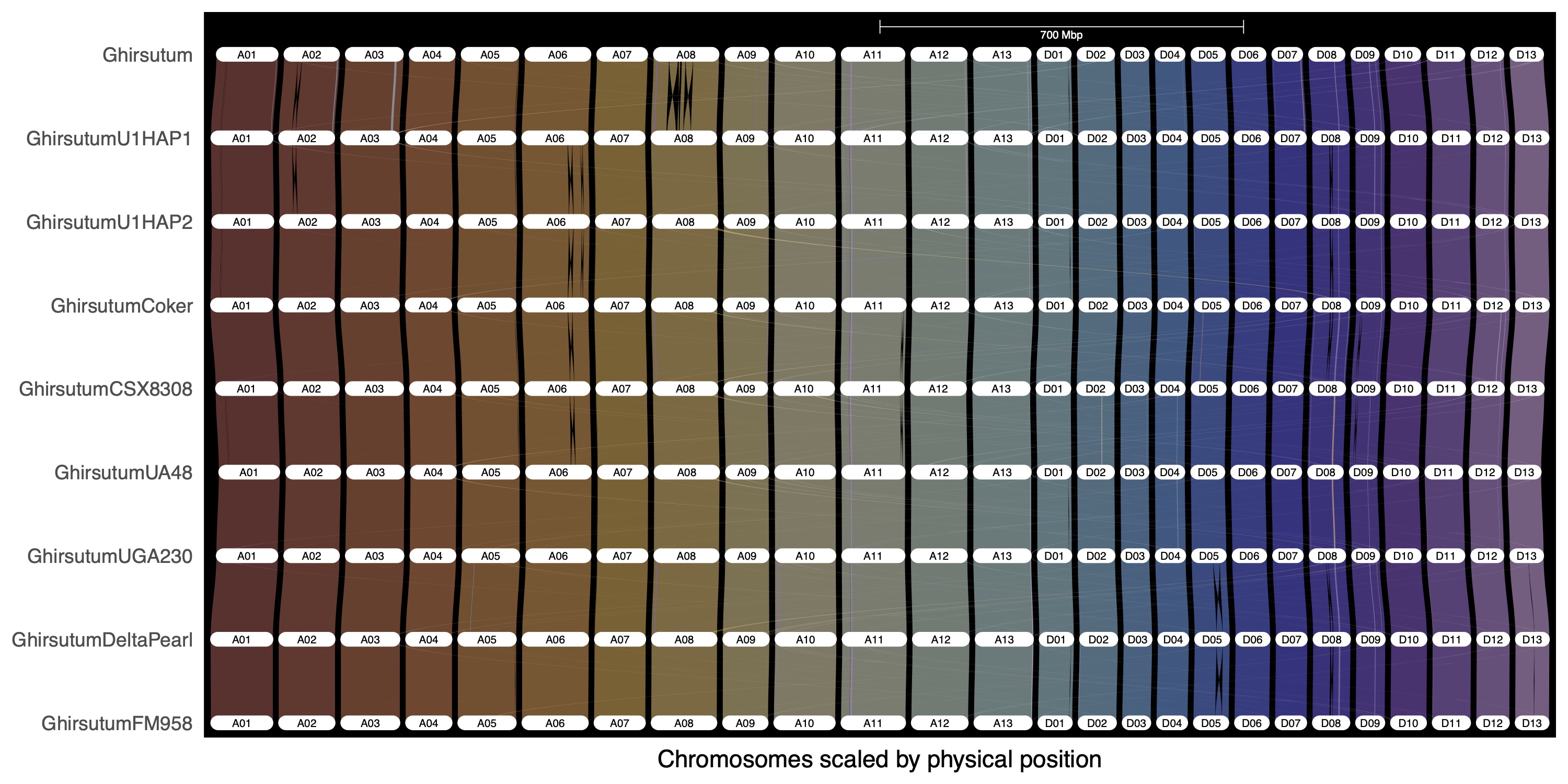
Loading...


Heatmap data
Loading...


Orthologs table

Orthologs expression

GOI expression


Loading...


Loading...


The Upland Cottons Pangenome project conducted by the HudsonAlpha Institute for Biotechnology was supported by the USDA-NIFA-AFRI grant (1028379) and genome annotation was supported by the U.S. Department of Energy Joint Genome Institute (JGI), funded by the Office of Science of the U.S. Department of Energy (DOE).
HudsonAlpha Institute for Biotechnology, Genome Sequencing Center | 601 Genome Way NW, Building 601, Huntsville, AL 35806


Loading...


The Upland Cottons Pangenome project conducted by the HudsonAlpha Institute for Biotechnology was supported by the USDA-NIFA-AFRI grant (1028379) and genome annotation was supported by the U.S. Department of Energy Joint Genome Institute (JGI), funded by the Office of Science of the U.S. Department of Energy (DOE).
HudsonAlpha Institute for Biotechnology, Genome Sequencing Center | 601 Genome Way NW, Building 601, Huntsville, AL 35806


Loading...


The Upland Cottons Pangenome project conducted by the HudsonAlpha Institute for Biotechnology was supported by the USDA-NIFA-AFRI grant (1028379) and genome annotation was supported by the U.S. Department of Energy Joint Genome Institute (JGI), funded by the Office of Science of the U.S. Department of Energy (DOE).
HudsonAlpha Institute for Biotechnology, Genome Sequencing Center | 601 Genome Way NW, Building 601, Huntsville, AL 35806


Loading...


The Upland Cottons Pangenome project conducted by the HudsonAlpha Institute for Biotechnology was supported by the USDA-NIFA-AFRI grant (1028379) and genome annotation was supported by the U.S. Department of Energy Joint Genome Institute (JGI), funded by the Office of Science of the U.S. Department of Energy (DOE).
HudsonAlpha Institute for Biotechnology, Genome Sequencing Center | 601 Genome Way NW, Building 601, Huntsville, AL 35806

Upland Cottons Pangenome - Help


  • Gene expression

    • Data
    • Under data tab gene expression levels for a selected species are tabulated in the main panel. By default, expression levels (FPKM) are displayed for Arabidopsis across all available experiments.

      Filter and search genes

      You can select species and experiments available in the project and narrow down the results using drop down menus in the left panel. Also, you can select FPKM or TPM expression levels.

      The tabular data in the main panel is interactive allowing one to re-order the data using sorting arrows by the column names. You can filter the content using the Search box on the right. This search works not only with Gene IDs but also with the gene function descriptions. Furthermore, selecting a gene ID or a row in the table displays the gene information (including location and function description) in the top panel.


      Downloads

      Expression data, sample information and function descriptions can be directly downloaded as CSV files by clicking Download buttons in the left panel.


    • Visualize expression patterns
    • In visualization tab, you can generate a heatmap displaying top variable genes (default, 20) across selected experimental conditions. For a list of your genes of interest, you can see the variation in their expression across available samples in a particular experiment.


    • Expression profiles of orthologous genes
    • In orthologs tab you can find the expression pattern of ortholog/s of a single or multipe genes from a selected species. Here you can visualize expression profiles of both, orthologs from selected species (top) and the queried species (bottom).

      You can filter for only single copy orthologs using the check box.

      Orthologous genes, expression of orthologs and expression of your genes of interest can be downloaded as CSV files by using download buttons at the bottom.


The Upland Cottons Pangenome project conducted by the HudsonAlpha Institute for Biotechnology was supported by the USDA-NIFA-AFRI grant (1028379) and genome annotation was supported by the U.S. Department of Energy Joint Genome Institute (JGI), funded by the Office of Science of the U.S. Department of Energy (DOE).
HudsonAlpha Institute for Biotechnology, Genome Sequencing Center | 601 Genome Way NW, Building 601, Huntsville, AL 35806


Gene expression
Genomic variations
Genome-specific regions
Genic space


Contact


  • Avinash Sreedasyam (asreedasyam AT hudsonalpha DOT org)

  • John Lovell (jlovell AT hudsonalpha DOT org)

  • Don Jones (DJones AT cottoninc DOT com)

  • Jeremy Schmutz (jschmutz AT hudsonalpha DOT org)


The Upland Cottons Pangenome project conducted by the HudsonAlpha Institute for Biotechnology was supported by the USDA-NIFA-AFRI grant (1028379) and genome annotation was supported by the U.S. Department of Energy Joint Genome Institute (JGI), funded by the Office of Science of the U.S. Department of Energy (DOE).
HudsonAlpha Institute for Biotechnology, Genome Sequencing Center | 601 Genome Way NW, Building 601, Huntsville, AL 35806